
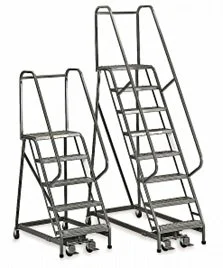
Rolling Ladders
-
A rolling ladder is a mobile access platform designed to help workers safely reach elevated storage areas, shelving, or machinery. It’s typically built from steel, aluminum, or fiberglass, and mounted on casters or spring-loaded wheels for smooth movement. When stepped on, the ladder locks into place to prevent movement, ensuring stability during use. Rolling ladders are commonly found in warehouses, libraries, and retail stockrooms where frequent access to high storage is needed.
-
Steel Rolling designs are built for rugged, everyday use in busy aisles, a great fit when you need a warehouse ladder that resists dings and flex. A steel ladder typically offers a higher load rating and a more planted feel on long runs, with full-size handrails that support steady contact on every step and at the platform. Aluminum is chosen when lower weight and frequent moves are priorities, as they can add ease of use.
-
Match the tread to your surface and traffic. A perforated tread gives a strong grip and sheds debris, which is good for dusty or oily areas. Expanded-metal styles bite into boot soles for maximum traction, while solid ribbed treads feel smoother underfoot for clean, finished floors. Consider your typical loads, aisle conditions, and required height when selecting the tread and step count.
-
A deep top step (often called a deep top or oversized top step) provides extra standing room at working height so you can stage parts, face forward, or operate tools comfortably. Choose a deep top step when tasks require longer dwell time at elevation, good for stock picking, labeling, scanning, or assembly. It’s also useful when you need room to pivot safely with two feet planted before descending the next step.
-
Warehouses and distribution centers (stock picking, inventory organization)
Retail stores (accessing upper shelves or signage)
Manufacturing facilities (maintenance or assembly line access)
Libraries and offices (book or file retrieval)
Aircraft and automotive maintenance (accessing tall vehicles or equipment)
They’re preferred because they combine height access with mobility, reducing the need for unsafe alternatives like climbing on shelves or using forklifts for access.

Folding Ladders
-
A folding ladder is a portable ladder with hinged sections that collapse for easy storage and transport. It’s designed to provide access to moderate heights safely and can be configured in various positions (A-frame, extension, or platform depending on model). You’ll find folding ladders everywhere — from home garages and construction sites to maintenance and light industrial workspaces — because they’re compact, versatile, and don’t require wall support.
-
Absolutely. Before climbing, lock all hinges and spreaders completely open so the ladder can’t collapse. A partially unfolded or unlocked ladder is a leading cause of ladder-related injuries. You should hear or feel a click when hinges are locked properly.
-
Not required by OSHA for short folding ladders, but highly recommended. Many folding ladders include extended handholds or safety bars to help maintain balance. For commercial or frequent-use applications, models with integrated safety handles or platform rails are worth it.
-
Aluminum – Lightweight, rust-resistant, and affordable. Ideal for general use.
Fiberglass – Non-conductive, stronger, and safer for electrical work.
Steel – Heavy-duty, but heavier and prone to corrosion without coating.
Plastic/Composite – Lightweight and used for household or short-reach applications.
Tip: If you’re working around electricity, go fiberglass — never metal.
-
Your working height should be about 4 feet higher than your ladder height.
Example:For an 8 ft ceiling, a 4–5 ft ladder is ideal.
For 12 ft ceilings, go with a 7–8 ft ladder.
Avoid standing on the top step unless it’s rated as a platform.
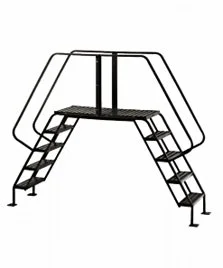
Crossover Ladders
-
A crossover ladder (or crossover platform) is a fixed or mobile structure that allows workers to safely pass over obstacles such as conveyor belts, assembly lines, pipes, or machinery.
It typically consists of:Two stairways (ascent and descent sides)
A central platform or bridge
Handrails and guardrails for fall protection
Crossover ladders are designed for continuous, safe access between areas that would otherwise require workers to walk around or step over obstructions — reducing travel time and trip hazards.
-
They’re used across a wide range of facilities, including:
Manufacturing and production plants (over machinery or lines)
Warehouses and logistics centers (crossing conveyors or storage lanes)
Maintenance areas (access over piping, ducts, or equipment)
Chemical and food processing (separating walkways from sensitive zones)
Energy and utilities (crossing cables, pumps, or pipelines)
Essentially, anywhere workers need safe passage over obstacles that can’t be moved.
-
They can be either, depending on the model:
Permanent (fixed): Bolted to the floor for long-term installation over machinery or walkways.
Mobile (modular): Mounted on locking casters and moved as needed, often made of lightweight aluminum.
Permanent models are more common in manufacturing environments, while modular or portable crossovers are used in maintenance and flexible layouts.
-
Because walking around machinery or conveyors often means:
Longer travel routes (lost productivity)
Crossing into unsafe zones (risk of injury)
Stepping over hazards (risk of tripping or falling)
Crossover ladders provide a designated safe path that:
Reduces travel time
Improves safety compliance
Keeps foot traffic away from moving parts or floor-level hazards
They’re a safety and efficiency upgrade rolled into one.
-
Fixed models: Anchored to the floor with bolts or base plates.
Mobile models: Use locking casters, floor brakes, or spring-loaded wheels that automatically lock under weight.
Before each use, verify that all locking mechanisms engage properly.
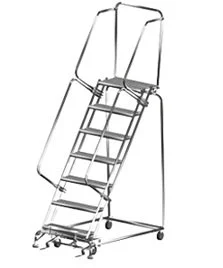
Aluminum & Stainless
-
An aluminum ladder is a lightweight, corrosion-resistant ladder made primarily from extruded aluminum alloys. They’re common in construction, warehousing, maintenance, and residential use because they’re strong yet easy to carry and store.
-
A stainless steel ladder is a heavy-duty, corrosion-resistant ladder built for industrial, marine, and food-service environments where hygiene or durability is critical. They’re designed to withstand harsh chemicals, moisture, and temperature extremes without rusting or degrading.
-
They’re widely used for:
Home and DIY tasks – painting, repairs, roof access
Construction and maintenance – light-to-medium duty access work
Warehouses and factories – inventory, light installation work
Transportation and utilities – inspections, repairs, servicing
Basically, anywhere you want a sturdy ladder that won’t rust and doesn’t weigh a ton.
-
Food and beverage plants (cleanroom or washdown areas)
Pharmaceutical facilities (sterile environments)
Chemical plants (corrosive exposure)
Marine and offshore industries (saltwater resistance)
Industrial maintenance (high-load or harsh environment access)
These are not household ladders — they’re built for precision and endurance.
-
Aluminum Ladders
Lightweight – Easy to move and transport.
Corrosion-resistant – Won’t rust, even in humid conditions.
Durable – High strength-to-weight ratio.
Low maintenance – No paint or coating required.
Cost-effective – Typically cheaper than fiberglass or stainless.
They’re ideal for users who value mobility and convenience over maximum load capacity.
Stainless Steel Ladders
Corrosion-resistant – Excellent for wet, chemical, or marine settings.
High strength – Superior load capacity and impact resistance.
Long service life – Decades of use with minimal degradation.
Easy to sanitize – Smooth finish allows for sterile cleaning.
Fire and heat resistant – Won’t deform or melt under high temps.
They’re the premium choice for reliability and hygiene-critical operations.
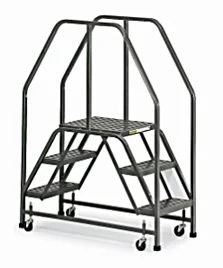
Mobile Platforms
-
Mobile platforms, often called mobile work platforms or industrial mobile platforms, are elevated, moveable work surfaces designed to provide safe, stable access to hard-to-reach areas in warehouses, plants, stockrooms, and industrial facilities. Built with wheels or casters, they can be easily repositioned wherever they’re needed, making them ideal for tasks that require both height and flexibility.
They’re commonly used for equipment maintenance, accessing refrigeration or HVAC units, loading and unloading trailers, reaching elevated control panels, stocking inventory, or giving supervisors a secure elevated vantage point. Diverse Supply offers a wide range of rolling, adjustable, and custom mobile platforms to support both everyday operations and specialized applications.
-
A rolling platform includes heavy-duty locking casters that allow workers to move the unit smoothly throughout the warehouse, then secure it in place during use. Standard mobile work platforms may have wheels for transport but are designed to remain stationary during operation. Rolling platforms are ideal for facilities where employees frequently move between aisles, equipment bays, or trailer access points, while stationary platforms are preferred for repetitive tasks in fixed locations.
-
They must meet OSHA 29 CFR 1910.29 (fall protection systems) and ANSI MH30.3 / ANSI A14.7 (mobile ladder stands and platforms).
Key OSHA requirements:Guardrails on all open sides (42" height minimum)
Midrails and toe boards
Slip-resistant surfaces
Locking casters when in use
Rated for intended loads
Failure to comply can result in serious citations — especially in facilities or production settings.
-
Diverse Supply offers aluminum, painted steel, and stainless steel mobile platforms:
Aluminum platforms are lightweight, corrosion-resistant, and easy to maneuver, making them ideal for humid environments or frequent relocation.
Painted steel platforms offer excellent strength and are the most cost-effective option.
Stainless steel platforms are best for food processing, pharmaceutical, and cleanroom environments due to their high durability and sanitary properties.
Your choice depends on load requirements, environmental exposure, and mobility needs.
-
Yes, many of the mobile platforms we offer come with a wide range of customizable options. Most models can be configured with different step counts, platform sizes, handrail styles, and height adjustments, allowing you to choose a setup that fits your specific space and workflow.
Because every warehouse and work environment is different, our team takes the time to understand your layout, safety requirements, and daily tasks. We can help you sort through hundreds of available configurations to find the model that best suits your needs. With durable construction and OSHA-focused safety features, these platforms are built to last and provide long-term value.
Contact us today to speak with a representative. We’re always happy to help you choose the best mobile platform for your facility.
-
Most industrial mobile platforms are rated between 300 and 1,000 pounds, depending on material, design, and platform size. It’s important to consider both the worker’s weight and any tools, equipment, or materials being carried onto the platform. Exceeding the rated load can compromise safety and shorten equipment lifespan. Diverse Supply provides clear load-rating documentation for every platform to ensure safe operation.
-
An adjustable-height mobile platform uses mechanical, hydraulic, crank, or scissor systems to raise or lower the platform to suit different tasks. These are ideal for environments where employees work at varying heights, such as servicing trucks, trailers, machinery, HVAC units, or production equipment. Adjustable platforms improve ergonomics, reduce strain, and allow teams to work safely without makeshift stacking or unsafe climbing.
-
High-quality mobile work platforms should include:
Non-slip tread (perforated, serrated, or ribbed) to prevent slips
OSHA-approved guardrails and handrails
Secure locking caster wheels or tilt-and-roll mobility
High-visibility steps and stable foot pads
Wide platforms large enough for tools and movement
Diverse Supply platforms are engineered with these safety features, ensuring stability even in fast-paced industrial environments.
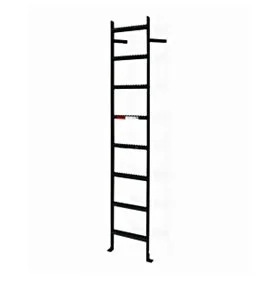
Fixed Ladders
-
A fixed ladder is a permanently attached vertical or inclined ladder designed to provide safe access to elevated areas such as roofs, mezzanines, docks, lofts, pits, and platforms. Unlike portable ladders, fixed ladders are bolted or welded to a building structure for long-term stability. Diverse Supply offers a wide range of fixed ladder styles, including fixed caged ladders, vertical fixed ladders, wall-mounted ladders, dock ladders, and stainless steel models, so facilities can select the right design for their specific access needs.
-
A caged fixed ladder includes a wrap-around metal safety cage that helps protect workers from falls during ascent and descent. OSHA generally requires cages or ladder safety systems on ladders extending more than 24 feet in vertical height (depending on the code version your facility follows). At Platforms And Ladders, we provide multiple fixed caged ladder configurations in aluminum, steel, and stainless steel to help businesses stay compliant with current safety regulations.
-
Yes. All fixed ladders sourced through Diverse Supply are designed to meet or exceed OSHA, ANSI, and building-code requirements. This includes proper rung spacing, step-across distances, rail extensions, cage design, load ratings, and required fall protection features. Our team can also guide you toward models that meet local code variations or industry-specific safety requirements.
-
Fixed ladders come in several material options depending on the environment and application:
Painted steel – the most economical and widely used option for industrial and commercial buildings
Aluminum – lightweight, corrosion-resistant, ideal for rooftops, food facilities, and outdoor environments
Stainless steel (304/316) – best for harsh, corrosive, or sanitary environments such as chemical plants, marine facilities, and processing plants
Diverse Supply offers all three options across many ladder models, along with powder-coated safety colors and weather-resistant finishes.
-
We offer one of the largest selections of fixed ladders on the market, including:
Fixed caged ladders
Vertical fixed ladders
Wall-mounted ladders with or without walk-through handrails
Dock ladders (walk-through and side-step styles)
Drop-down and retractable fixed ladders
Alternating tread ladders
Pivotal ladders
Manhole ladders
Tank access ladders
Rooftop gliding ladders
Stainless steel and aluminum fixed ladders
With hundreds of models available, our team helps you select the right ladder based on height, environment, code requirements, and usage.
-
Yes. While most models are manufactured in standard heights and configurations, many can be customized to accommodate unique clearance issues, wall conditions, roof access points, pit depths, or platform transitions. Adjustments may include extended handrails, custom heights, safety cages, rail extensions, mounting brackets, or specific materials. Platforms and Ladders regularly assists facilities in selecting or configuring fixed ladders that satisfy local building codes and job-site requirements.
-
Fixed ladders provide significantly higher levels of safety, durability, and stability. They are permanently mounted, preventing tip-overs or sliding hazards, and they allow controlled access to frequently used elevated areas. Fixed caged ladders, dock ladders, and vertical wall-mount ladders also support heavier weight capacities and eliminate the need for employees to carry or reposition equipment. This makes fixed ladders the ideal choice for long-term building access and OSHA compliance.
-
To choose the right fixed ladder, consider factors like:
Required ladder height
Indoor vs. outdoor placement
Exposure to chemicals, moisture, or extreme weather
Whether you need a cage or walk-through handrails
Material preference (steel, aluminum, stainless steel)
Access point type (roof, mezzanine, dock, tank top, etc.)
Space constraints or clearance challenges
If you’re unsure where to start, Platforms and Ladders experienced team can review your requirements and recommend the best ladder type and configuration.
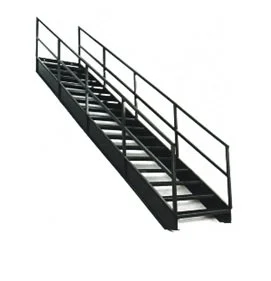
Industrial Stairways
-
Industrial stairways are heavy-duty stair systems designed to provide safe, stable access to elevated areas in warehouses, plants, distribution centers, and commercial facilities. Businesses use them for mezzanine access, reaching elevated platforms, servicing equipment, reading gauges or controls, or navigating between levels. At Diverse Supply, our industrial stairways come in multiple angles, materials (steel, aluminum, stainless), and configurations to match a wide range of industrial applications.
-
We offer several angle configurations to meet different safety and space requirements. Common options include 36° and 36.4° industrial stairways, which provide a standard, comfortable incline. For tighter spaces, we offer 57°, 60°, and 70° access stairways, functioning similarly to ladder-style stairs but with improved footing and stability. Retractable and alternating tread designs are also available for extremely limited spaces.
-
Industrial stairways are available in painted steel, aluminum, and stainless steel.
Painted steel is the most affordable and extremely durable for heavy-use environments.
Aluminum stairways are lightweight, corrosion-resistant, and ideal for outdoor or wet areas.
Stainless steel offers maximum corrosion protection for harsh industrial environments, food facilities, and chemical plants.
Your choice of material depends on load capacity, environmental exposure, and mobility needs.
-
Yes. All industrial stairways we offer meet or exceed OSHA 1910 standards for tread depth, riser height, width, load capacity, and handrail requirements. We also offer IBC-compliant stairways, which are required for certain commercial and public-access applications. Our team can help you determine which code applies to your facility and guide you toward the correct stair system.
-
Absolutely. We provide custom industrial stairway systems tailored to your space, ceiling height, access needs, material preferences, and local building codes. Customizations may include:
Platform length and height
Stair angle
Railings and handrails
Surface tread types
Landings, turns, and intermediate platforms
Material upgrades (aluminum or stainless steel)
You’ll work with a dedicated project manager to ensure the final system fits your workspace perfectly.
-
Safety is a priority in every design. Most of our stairways include:
Non-slip tread surfaces such as Grip Strut or serrated steel
Handrails on one or both sides
Wide tread designs (typically 10–14 inches) for secure footing
OSHA-approved riser heights
Durable welded construction for structural integrity
Optional safety gates, landings, or guardrails
These features help prevent slips, trips, and falls in busy industrial areas.
-
Yes. For facilities where floor space is limited, we provide:
Retractable stairways (manual or powered)
Alternating tread stairs
Pivotal stairs that fold to 90° when not in use
These designs allow safe access to mezzanines, lofts, storage areas, and equipment rooms without permanently blocking aisles or work areas.
-
Load capacity varies by material and design, but most industrial stairways support 300–450 pounds or more. Steel models provide the highest capacity for heavy-duty applications, while aluminum options offer lighter weight without sacrificing strength. If you have unique load requirements, such as frequent equipment transport, our team can recommend the right model.
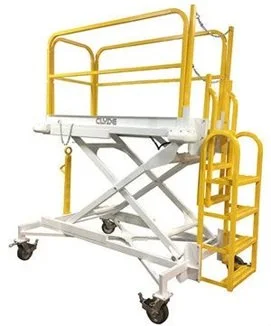
Aircraft Maintenance
-
Diverse Supply provides one of the most extensive selections of aircraft maintenance platforms and stands in the industry. Our product line includes B1, B2, B4, B5, B7, and multiple modified aircraft maintenance stands, full-wrap platforms for aircraft like the F-16, F-35, C-130, and KC-135, as well as helicopter maintenance platforms, radome stands, windshield maintenance stands, cockpit access stands, wing inspection ladders, wheel-well ladders, and towable passenger stairs. Whether you’re servicing jets, turboprops, helicopters, or military aircraft, we have solutions designed for safety, ergonomics, and long-term durability.
-
Most aircraft maintenance ladders and platforms are constructed from high-grade aluminum, making them lightweight, corrosion-resistant, and easy to maneuver on the ramp or in a hangar. Aluminum is the preferred choice across aviation maintenance because it offers strength without unnecessary weight. Many models also include steel components for reinforcement, anti-slip steps, OSHA-compliant guardrails, and heavy-duty casters for mobility.
-
Yes. All aircraft maintenance ladders, platforms, and stands supplied by Diverse Supply are engineered to meet or exceed OSHA and aviation-industry safety requirements. This includes compliant step angles, guardrails, slip-resistant surfaces, load ratings, and proper platform access. Many models are also designed to align with FAA facility standards and military specifications for ground support equipment (GSE).
-
Absolutely. While we offer a large number of standard models, many aircraft maintenance platforms can be modified or configured to match exact aircraft contours, working heights, or maintenance requirements. Customizations may include adjustable platform heights, specialized deck cutouts, extended guardrails, towable bases, or unique footprints for tight hangar spaces. Whether you need a custom stand for random access, an aviation-specific deicing platform, or a full wrap-around set for military aircraft, our team can help you find or configure the right solution.
-
Our aircraft maintenance stands and ladders are built for a wide range of aviation tasks, including:
Engine inspections and repairs
Wing and rotor inspections
Cockpit and windshield access
Fuselage and tail maintenance
Wheel and brake service
Radome and nose servicing
Cargo door and lavatory access
Passenger boarding
Deicing operations
These platforms are designed to improve worker safety, accessibility, and efficiency in routine maintenance, repair, and ground operations.
-
Choosing the right maintenance platform depends on several factors:
The aircraft model(s) you maintain
Required working height or deck height
Maintenance tasks performed (radome access, wing inspection, tail maintenance, etc.)
Indoor vs. outdoor use
Whether mobility or towability is required
Space constraints inside the hangar
Safety or regulatory requirements
Our team can review your maintenance needs and recommend the appropriate stand, whether that’s a standard B1/B4 stand, a full wrap-around system, a deicing platform, or a custom-configured maintenance ladder.
-
Yes. To maintain OSHA compliance and ensure ongoing worker safety, aircraft maintenance stands and ladders should be inspected regularly for signs of wear, loose hardware, damaged casters, worn anti-slip surfaces, or corrosion. Aluminum platforms require minimal upkeep but should still be cleaned and checked periodically, especially in environments exposed to weather, deicing fluids, or aviation chemicals. Routine maintenance helps extend the lifespan of your equipment and prevents unexpected downtime.
-
Absolutely. Aircraft maintenance equipment varies widely by aircraft type, task, and facility layout, which is why our team is available to help you compare models, understand OSHA requirements, determine deck heights, and choose the most economical option for your operation. We can walk you through available configurations, provide freight quotes, and assist with selecting platforms for FBOs, MRO facilities, military bases, and aviation repair centers. Our goal is to ensure you get the safest and most effective maintenance platform for your aircraft and crew.
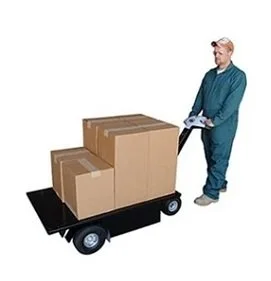
Carts
-
A utility cart is a versatile material handling solution designed to transport tools, parts, and equipment within industrial, commercial, and warehouse environments. Utility carts may be manually pushed or powered and are commonly used for order picking, maintenance work, inventory movement, and general facility support. Available in a wide range of sizes, materials, and configurations, utility carts help improve workflow efficiency while reducing physical strain on workers.
-
A material handling cart is a non-powered, wheeled device used to move goods, tools, or materials around a facility. This includes platform carts, shelf carts, order-picking carts, u-boats, panel carts, and hand trucks/dollies.
-
Common in:
Warehouses & distribution (picking, staging, replenishment)
Retail stockrooms
Manufacturing & assembly (line-side parts delivery)
Maintenance & facilities (tools, filters, trash/cleanup)
Healthcare & hospitality (supplies, laundry, food service)
-
Cart (platform/shelf cart): load sits on a deck or shelves; pushed/pulled on 4 wheels.
Hand truck (2-wheel): load is tilted back onto wheels; better for tall/heavy stacked items.
Dolly: flat low platform, often 4 casters; great for bulky items but no containment.
-
Pushing is usually safer because you can:
Use body weight more effectively
Keep better visibility and control
Reduce shoulder/low-back twisting
Pulling is sometimes necessary (tight spaces), but it increases risk of awkward posture and sudden “yanks” when a wheel hits debris.
-
Match cart type to the load:
High volume small items: shelf cart / order-picking cart
Bulky/awkward loads: u-boat, panel cart, cage cart
Heavy dense loads: steel deck cart with large casters
Rough floors / thresholds: larger diameter wheels or pneumatic tires
Key specs to match:
Capacity (rated load)
Deck size vs load footprint
Wheel type + diameter
Brake needs (ramps, docks)
Ergonomics (handle height, push force)
-
A tow cart is the best option when loads are too heavy or distances are too long for manual pushing. Tow carts are designed for connection to forklifts, tuggers, or powered cart movers, improving productivity and reducing worker fatigue. They are commonly used for bulk material movement, baggage handling, industrial logistics, and outdoor yard transport where traditional utility carts are not efficient.
Trailers
-
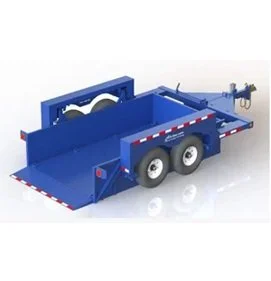
A trailer is a towed vehicle designed to carry cargo/equipment, pulled by a tow vehicle via a coupler/hitch system. Examples: utility trailers, equipment trailers, enclosed cargo, dump trailers, car haulers.
-
Depends on use:
Commercial use: FMCSA rules under 49 CFR, especially Part 393 (required parts and accessories).
Trailer brakes, lighting, coupling devices, etc. are covered in those sections, plus related FMCSA inspection expectations.
-
A solid pre-trip includes:
Coupler fully seated + locked
Safety chains crossed and attached
Breakaway cable connected (if equipped)
Lights working (brake/turn/running)
Tire pressure + visible condition
Lug nuts secure
Brakes operational (if trailer has them)
FMCSA’s inspection guidance lists key items like service brakes (including trailer connections), tires, coupling devices, wheels/rims, and lights/reflectors.
-
They can, but storage causes:
Tire flat-spotting / UV damage
Grease/bearing issues
Brake corrosion
Battery drain on breakaway systems
Store with:
Tire protection and correct inflation
Periodic movement
Covered wiring connections
Brake checks before returning to service
-
Underinflation. It builds heat, leads to blowouts, and makes the trailer handle worse. (Also: old tires that “look fine” but are aged out.)
-
Tow carts and cart trailers can be equipped with a variety of towing systems, including:
Pintle hitches
Ball hitches
Forklift tow bars
Fifth-wheel steering systems
Powered cart movers
Selecting the right towing method ensures smooth tracking, safe turns, and reduced wear on both the cart trailer and towing equipment.
-
Yes. Many of our cart trailers, tow carts, and drop trailers offer customization options such as deck size, side rails, tie-downs, enclosures, axle upgrades, braking systems, and specialized finishes. Custom configurations allow businesses to match their trailer exactly to their workflow, equipment, and safety requirements.
Marine Products
-
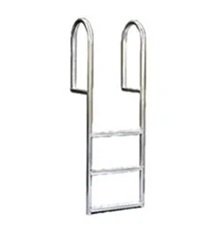
A dock ladder is a marine access ladder designed to provide safe entry and exit between the water, dock, or pier. Dock ladders are commonly used for boat access, swimming access, and general marina safety. Diverse Supply offers a wide range of dock ladder styles, including straight ladders, swing ladders, lift ladders, and floating dock ladders, all built for durability in marine environments.
-
A dock ladder is permanently or semi-permanently mounted to a dock, pier, or seawall, while a boat ladder is typically mounted directly to a vessel such as a pontoon boat or sailboat. Dock ladders are ideal for frequent water access at marinas and docks, whereas boat ladders are designed for onboard boarding and swimming access. Diverse Supply offers solutions for both dock-mounted and boat-mounted ladder applications.
-
Diverse Supply offers several dock ladder styles to meet different access needs, including lift dock ladders, swing dock ladders, finger pier ladders, floating dock ladders, straight ladders, and folding marine ladders. Each style is designed to address specific dock heights, water levels, and usage frequency while providing safe and reliable access.
-
Yes. Our marine ladders are designed for both saltwater and freshwater environments. Aluminum and stainless steel construction offers excellent corrosion resistance and durability. However, specific models may not be intended for use in chlorinated pools or similar highly corrosive environments, as noted in product guidelines.
-
Most dock ladders are constructed from aluminum or stainless steel. Aluminum dock ladders are lightweight, corrosion-resistant, and easy to install or remove, while stainless steel dock ladders offer a premium appearance and enhanced durability for heavy-use marine applications. Both materials provide long-term performance in harsh marine conditions.
-
A lift dock ladder is designed to pivot or lift out of the water when not in use. This helps reduce marine growth, extend ladder life, and improve dock safety. Lift dock ladders are ideal for tidal areas, floating docks, and locations where water access is occasional rather than constant.
-
Choosing the right ladder depends on dock height, water depth, usage frequency, and whether the ladder needs to be fixed, folding, or retractable. Finger pier ladders and floating dock ladders are well-suited for fluctuating water levels, while fixed straight ladders work well for consistent dock heights. Diverse Supply’s knowledgeable team can help match the right dock ladder to your specific marine application.
-
Yes. Diverse Supply’s dock ladders are designed with safety in mind, featuring slip-resistant steps, wide rungs, and sturdy mounting systems. Many models include angled designs or wide steps to improve stability and reduce the risk of slips when entering or exiting the water.
-
Many of our models are designed for easy seasonal removal and storage. Lift ladders, swing ladders, and removable dock ladders can be detached or raised during off-season months, storms, or winter storage, helping extend product life and protect docks from damage.
-
Absolutely. Diverse Supply’s experienced team understands marine access equipment and can assist you in selecting the right ladder based on your dock type, water conditions, and usage needs. We’re happy to answer product questions, provide freight quotes, and help you find a safe, durable solution for your marine environment.
Trucks And Tuggers
-
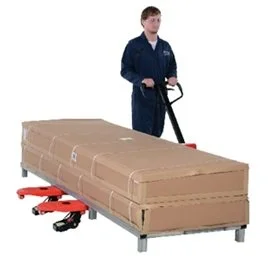
A pallet truck, also known as a pallet jack or pallet lift, is a material handling tool used to lift and transport pallet loads over short distances. They are commonly used in warehouses, distribution centers, manufacturing facilities, and retail environments to move inventory efficiently while reducing manual lifting and strain on workers.
-
A hand pallet truck is manually operated using a hydraulic pump to raise and lower loads, making it a cost-effective solution for lighter or occasional use. An electric pallet truck uses powered lift and drive functions, allowing operators to move heavier loads with minimal physical effort. Electric pallet trucks are ideal for high-volume operations, longer travel distances, and improving overall workplace ergonomics.
-
Pallet truck capacity varies by model, but most standard pallet trucks support loads between 2,500 and 5,500 pounds. High-capacity and heavy-duty pallet lifts are available for specialized applications, while electric pallet trucks and stackers can handle heavier loads with greater control and stability.
-
A quick lift pallet truck is designed to raise a pallet to full height with fewer pump strokes than a standard pallet jack. These pallet trucks are popular for single-operator use because they reduce physical effort, increase efficiency, and speed up daily material handling tasks without sacrificing lifting capacity.
-
Yes. Diverse Supply offers cold room pallet trucks, stainless steel pallet trucks, and corrosion-resistant pallet lifts designed for food processing, pharmaceutical, medical, and wet environments. These are built with stainless steel, galvanized, or zinc-coated components that are easy to clean and resist rust and corrosion.
-
A pallet truck with scale combines lifting and weighing in one piece of equipment. These pallet trucks allow operators to weigh loads as they are moved, improving efficiency in shipping, receiving, inventory control, and quality assurance processes. They help eliminate separate weighing steps and reduce handling time.
-
Yes. Rough terrain pallet trucks and all-terrain pallet lifts are designed with large pneumatic wheels and rugged frames that allow them to operate on gravel, dirt, asphalt, and uneven surfaces. These pallet trucks are commonly used in outdoor yards, construction sites, landscaping operations, and loading areas where smooth floors are not available.
-
A pallet truck is designed to lift and move pallets at floor level, while a pallet stacker is capable of lifting loads to higher elevations for stacking or shelving. Stackers (manual, semi-electric, or fully powered) are often used as alternatives to forklifts in facilities with limited space or lighter lifting requirements.
-
Choosing the right model depends on factors such as load weight, travel distance, floor conditions, lift height requirements, and frequency of use. Hand pallet trucks are ideal for basic tasks, while electric pallet trucks and stackers are better suited for high-volume operations and ergonomic efficiency. Diverse Supply’s experienced team can help match the right pallet truck to your specific workflow.
-
Absolutely. Diverse Supply offers one of the largest selections of pallet trucks, pallet lifts, and stackers available. Our knowledgeable staff can answer product questions, recommend the best solution for your environment, and provide freight quotes to your location. We’re committed to helping you find a safe, durable, and efficient pallet handling solution for your operation.