
UTILITY CARTS, NURSERY TRAILERS, AND DROP TRAILERS

















What to Check Before You Buy
Carts and trailers raise different practical questions before you order. Here is what to look at for each.
Materials and Casters for Different Environments
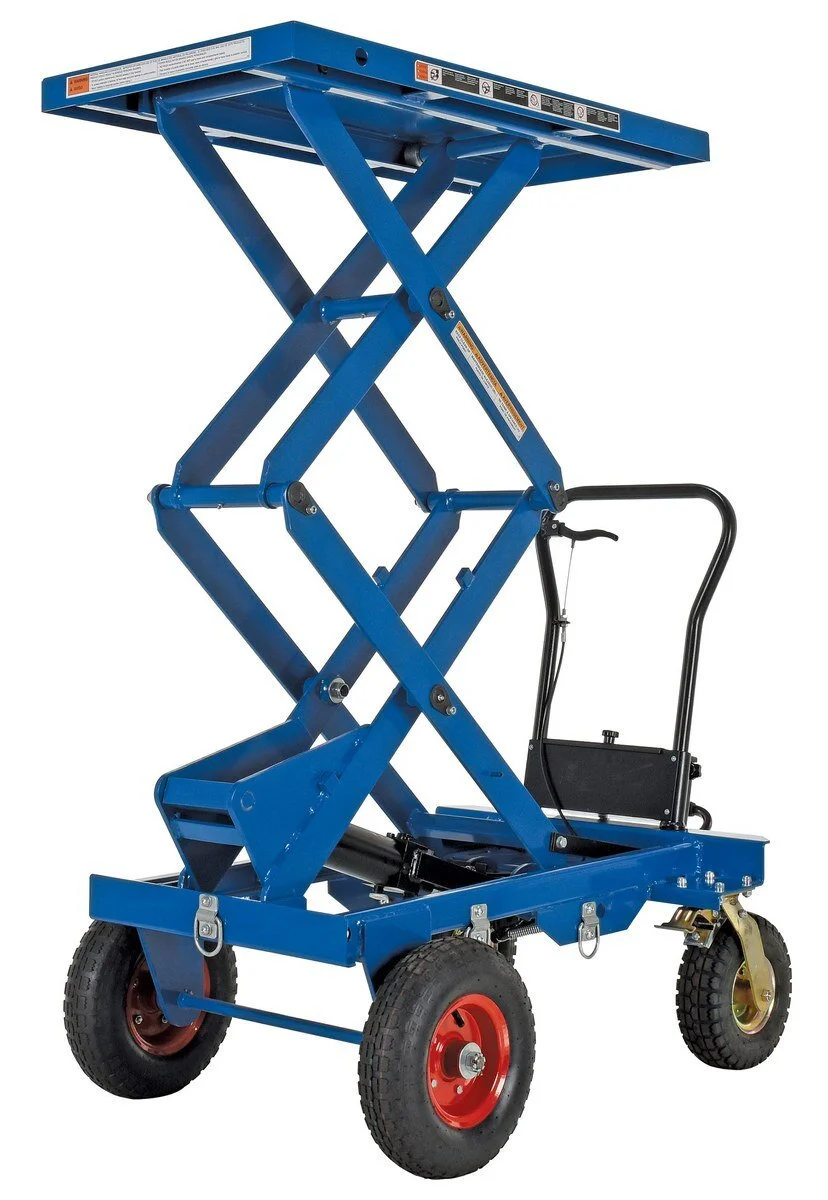
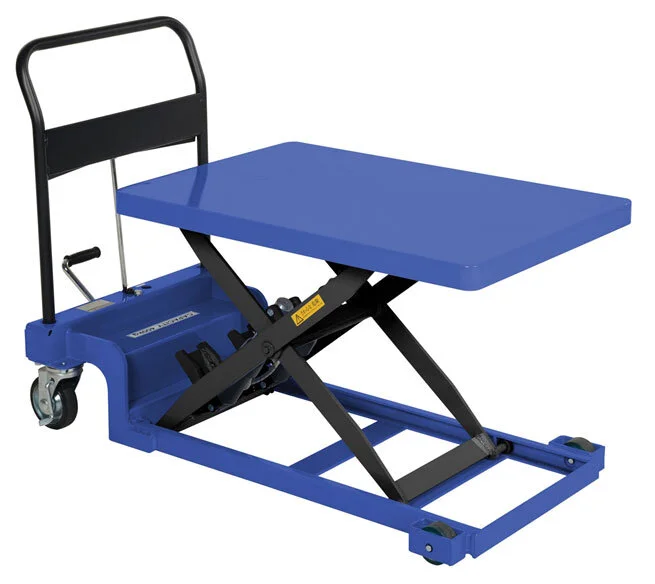
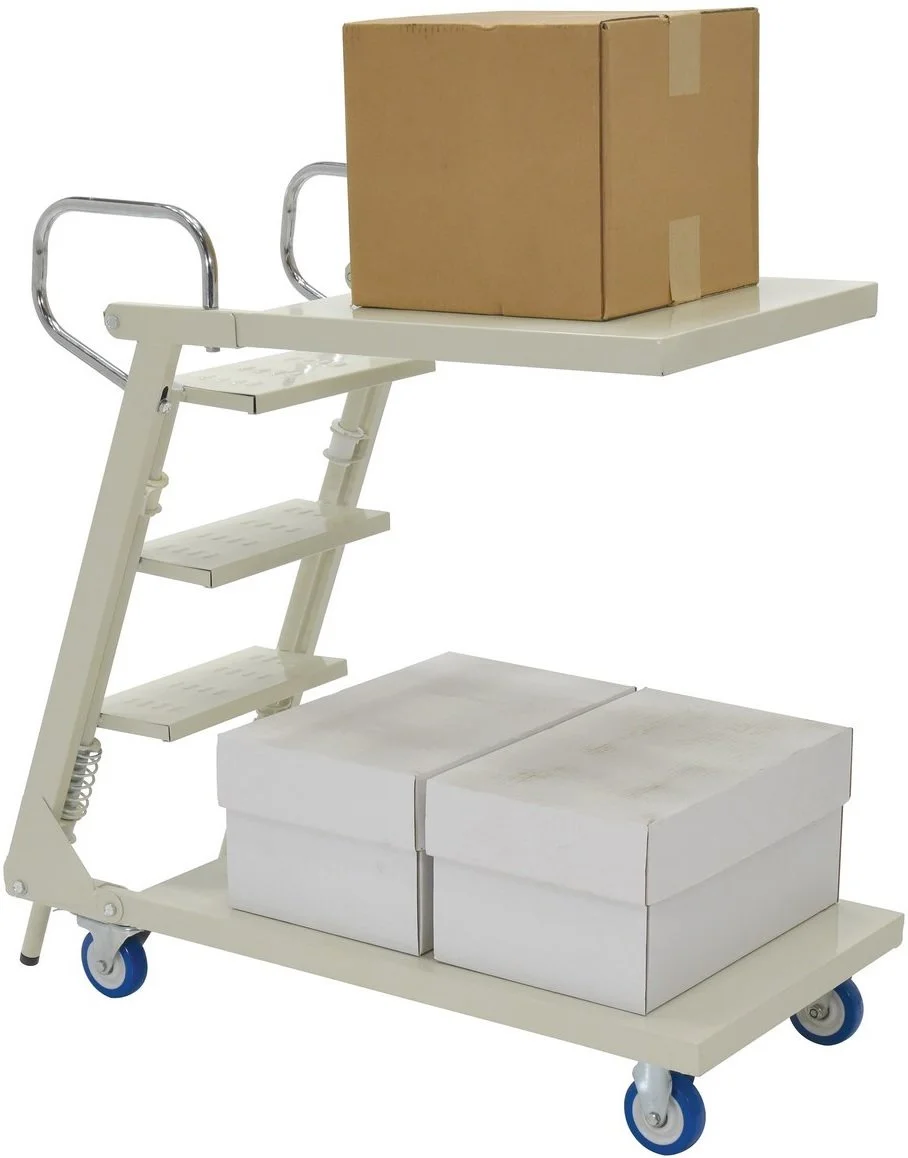
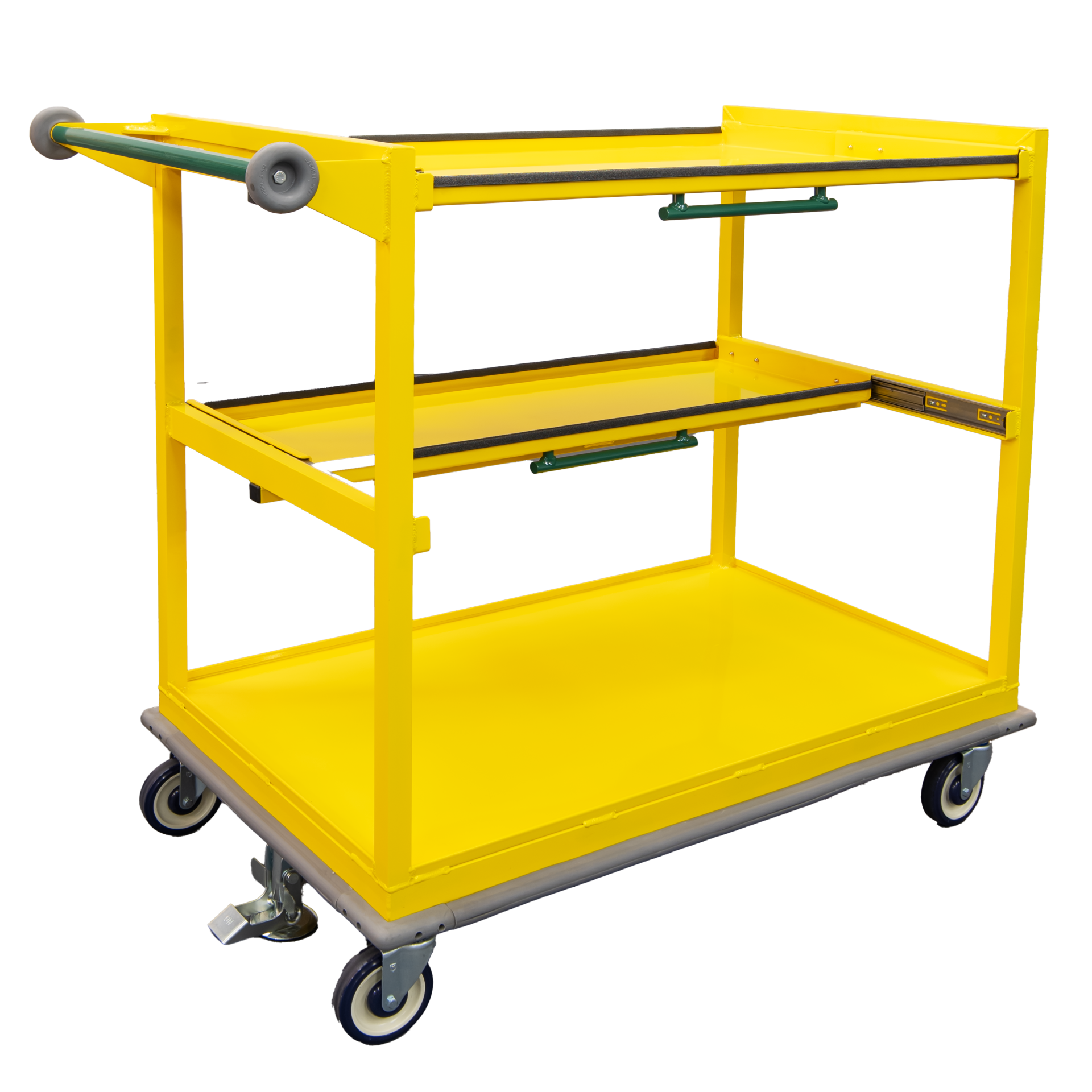
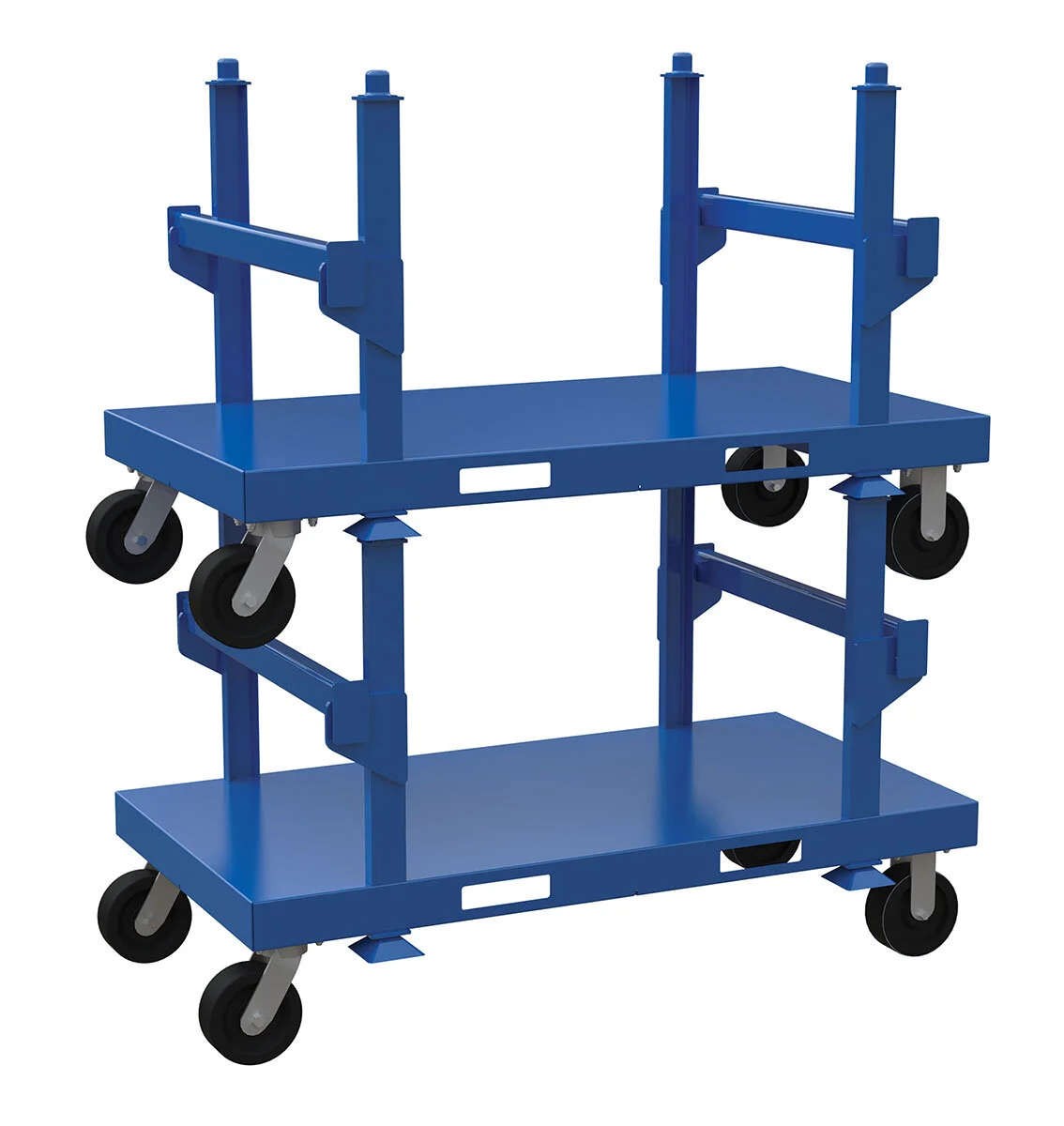
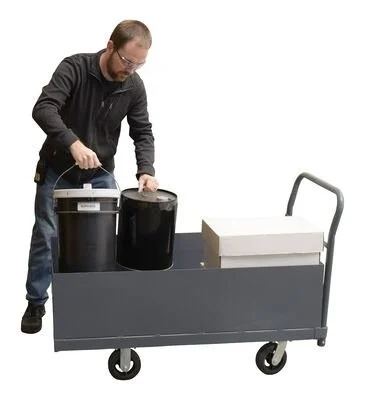
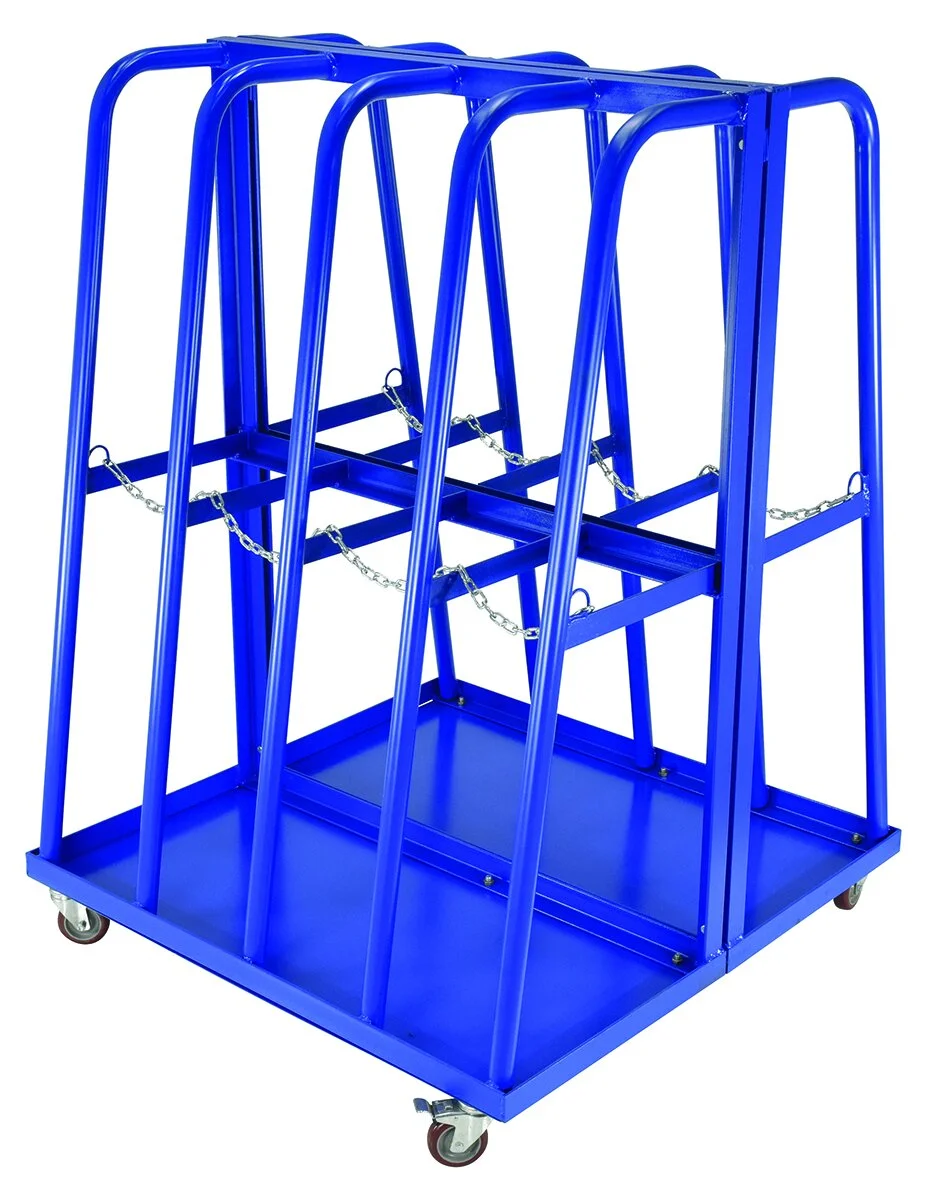
Utility carts come in multi-shelf steel for general shop use, stainless steel for wash-down environments, and heavy-duty plastic where impact resistance matters more than load capacity. Casters follow the floor, not the cart: pneumatic for rough or uneven surfaces, solid rubber for general indoor use, and polyurethane where floor protection or chemical resistance matters. Powder-coated steel and galvanized finishes resist corrosion, with galvanized generally the better call outdoors or in wash-down areas.
Fifth-Wheel and Caster-Steer Trailers for Tugger Trains
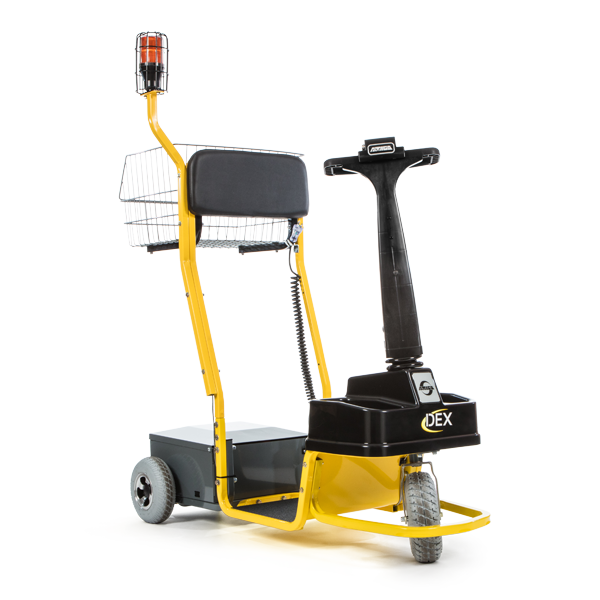
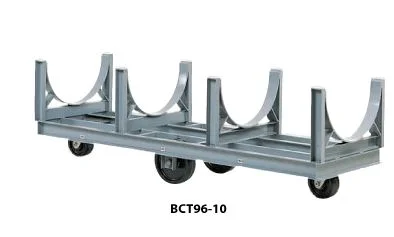
For loads too heavy to push by hand, fifth-wheel steer trailers and caster steer towable trailers are built to be pulled by a tugger or forklift instead. Fifth-wheel steering tracks the tow path closely and holds heavy loads stable; caster steering is suited to narrow aisles, where following the exact path of the vehicle ahead matters. Multiple trailers can be connected into a train to move several loads in a single pass.
Combined Weight and CDL Requirements for Trailers
A CDL is required only when two conditions are met: the trailer's own GVWR is rated above 10,000 pounds, and the combined weight of the tow vehicle and trailer exceeds 26,001 pounds. Both figures come from the manufacturer's rating on the trailer's data plate rather than what is actually loaded on it, so it is worth checking that plate before assuming either way.
Ground-Level Loading for Heavy Equipment
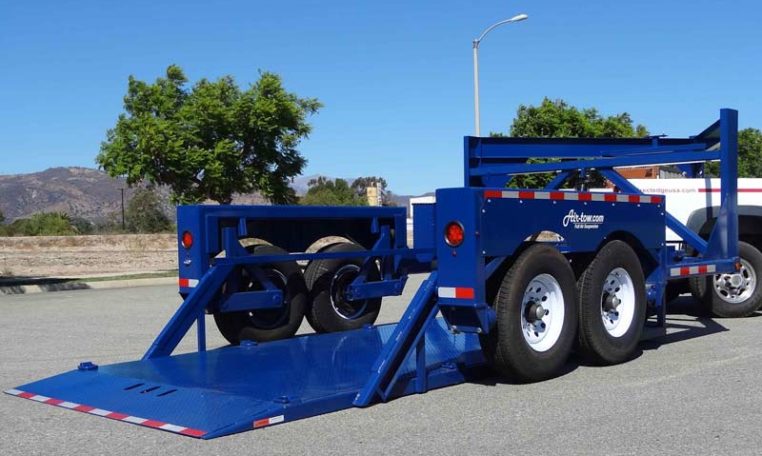
Drop trailers lower the deck to ground level, which removes the need for a ramp or forklift when loading heavy machinery, pallet jacks, or other rolling stock. That makes them a solid fit for single-operator loading and for cargo that's awkward or higher-risk to lift.
Why Buy Utility Carts and Trailers From Platforms and Ladders
We provide the infrastructure for your productivity. Every cart trailer and utility cart in our inventory meets rigorous industrial standards. Platforms and Ladders is a GSA Contract Holder (Contract #47QSWA22D006L, CAGE Code 80DC4) and an MBE-certified national supplier of utility carts, trailers, and material handling equipment.
Call (888) 802-3651 or submit a request through our contact form, and our team will confirm capacity, dimensions, and lead time before your order ships. Related equipment, including forklift accessories, as well as pallet trucks and tuggers, is also available.
Utility Cart and Trailer FAQs
-
Only if two conditions are both true: the trailer's GVWR is rated above 10,000 pounds, and the combined weight of your tow vehicle and the trailer tops 26,001 pounds. An empty trailer still counts at its full rated weight for this calculation, not its actual loaded weight, so the rating on the data plate is what determines whether a CDL applies.
-
A drop trailer's deck lowers to ground level, so heavy equipment, pallet jacks, and rolling stock can be loaded without a ramp or a forklift. A standard flatbed sits at a fixed height and generally needs a ramp, dock, or lift to load anything that cannot be driven or lifted on directly.
-
Pneumatic tires handle uneven yard and greenhouse surfaces better than solid ones, and a deck or bed with removable racks lets you adjust the layout as plant sizes change through a growing season. For towed units, a hitch that allows tight turning and a deck height suited to loading by hand both matter as much as overall capacity.
-
Lighter trailers, generally under about 3 tons, typically rely on the tow vehicle's brakes alone. Heavier trailers benefit from their own electric brakes with progressive control, which helps prevent wheel lockup and gives you more control when the trailer is fully loaded.